Moderated Panel Sessions
Ravello 2026
Food Systems and Changing Climates
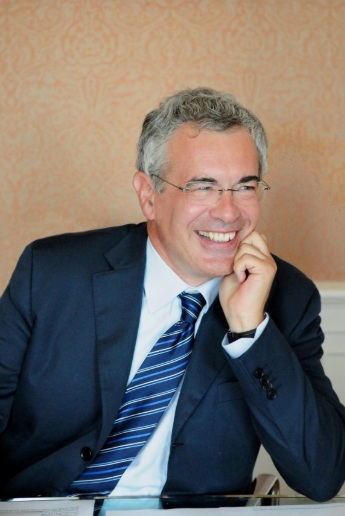
Carlo Carraro
Professor Carlo Carraro is President (Rector) Emeritus and Professor of Environmental Economics at Ca’ Foscari University of Venice. He holds a Ph.D. from Princeton University. He was President of the University of Venice from 2009 to 2014. Previously, he was Director of the Department of Economics from 2006 to 2008 and Vice-Provost for Research Management and Policy from 2001 to 2005. From 2008 to 2023, he was Vice-Chair of the Working Group III and Member of the Bureau of the Nobel Laureate Intergovernmental Panel on Climate Change (IPCC). He has been working as IPCC Lead Author since 1995.
Professor Carraro is a Fellow of the Association of Environmental and Resource Economists and of the European Association of Environmental and Resource Economists. In 2020 he was elected Member of the Academia Europaea. He is also a Fulbright scholar. He recently chaired the Committee on Climate Change and Sustainable Infrastructures and Mobility of the Italian Ministry for Sustainable Infrastructures and Mobility and belonged to the Advisory Board of the same Ministry. He was also a member of the High Level Advisory Group of DG ECFIN in Brussels. Presently, he is a member of the Strategic Advisory Board of the Euro Mediterranean Center for Climate Change and chairs the Advisory Board of H-Farm College.
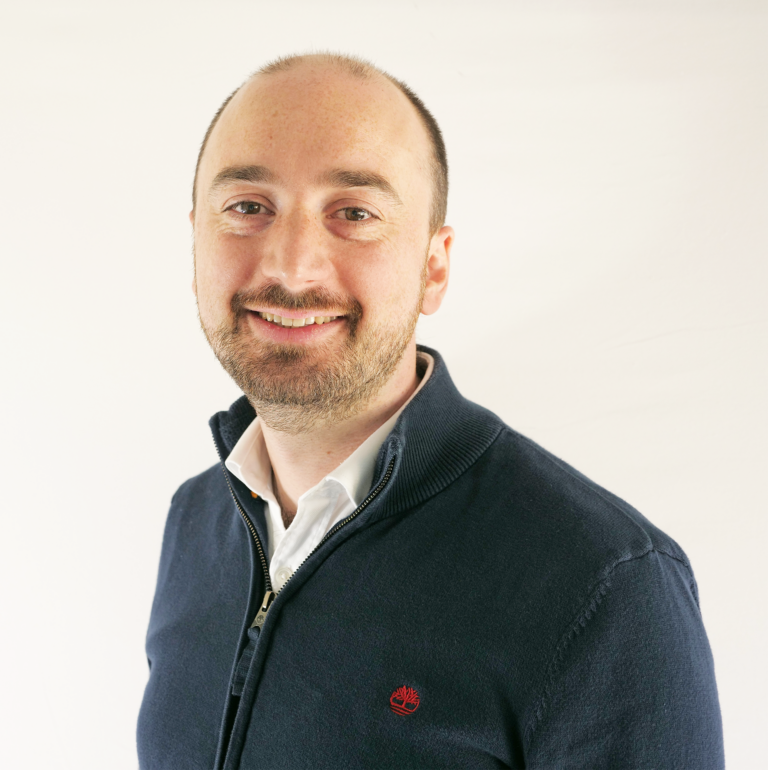
Koen Deconinck
Koen Deconinck is Special Advisor to the Director for Trade and Agriculture at the OECD in Paris. He is lead author of the 2025 OECD report “Measuring Carbon Footprints of Agri-Food Products” and has previously worked on market concentration, resilience, and environmental impacts of food systems.
He holds a PhD in Economics from the University of Leuven, and his research has been published in the American Journal of Agricultural Economics, the European Review of Agricultural Economics, Food Policy, and Business History, among others. He has also been a peer reviewer for Nature, Science, and leading field journals, and was lead author of the landmark OECD report “Making Better Policies for Food Systems” (2021).
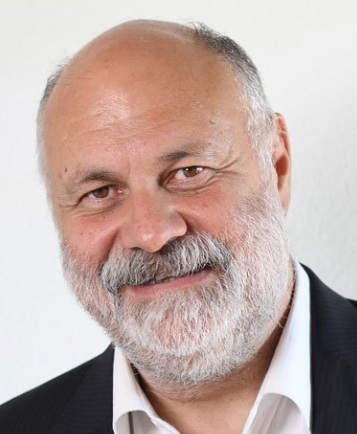
Riccardo Valentini
Riccardo Valentini is full professor of Forest Ecology at the University of Tuscia, Italy. His expertise concerns the role of land use changes and forestry in the carbon cycle, biodiversity and bioenergy.
He is also involved through IPCC and governmental bodies on policies about the global carbon cycle and the role of land use changes and forestry.
He is coordinator of several EU projects aiming to understand and quantify the terrestrial carbon budget and greenhouse gases emissions. He is coordinator of the EU-Project CARBOAFRICA and is Doctor Honoris Causa Faculté Universitaire des Sciences Agronomiques de Gembloux, Belgium.
He is a Nobel Prize for Peace as member of the IPCC board.
P3s - Public, Private, and Philanthropic Contributions to the Bioeconomy
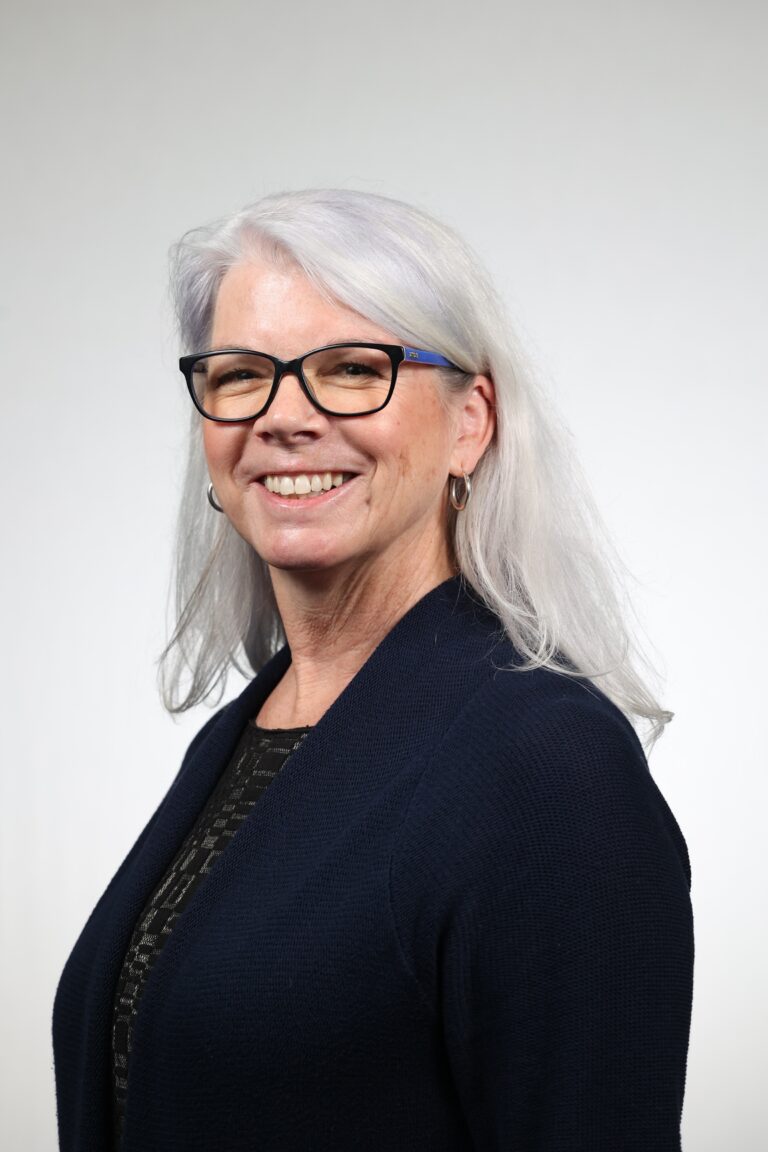
Mary Maxon
Dr. Mary Maxon is a Research Affiliate at Caltech’s Linde Center for Science, Society, and Policy. Previously she was Executive Director of the Biosciences Institute at Schmidt Sciences where she led a new effort to seed innovation in synthetic biology and the bioeconomy. Dr. Maxon has worked in the private sector, both in the biotechnology and pharmaceutical industries, as well as the public sector, highlighted by her tenure as the Assistant Director for Biological Research at the White House Office of Science and Technology Policy where she was the principal author of the Obama Administration’s National Bioeconomy Blueprint.
She is a member of the International Advisory Council on Global Bioeconomy, and a member of the Carnegie Science Board of Trustees. Dr. Maxon serves as a biotechnology subject matter expert for Eric Schmidt, a Commissioner on the National Security Commission on Emerging Biotechnology.
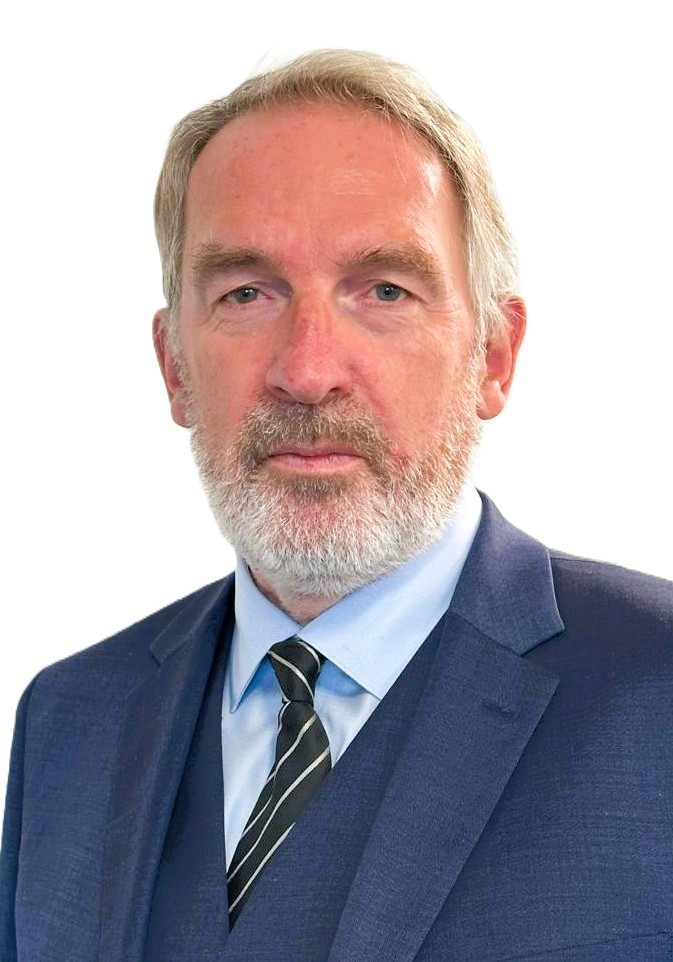
Johan Swinnen
Dr. Johan Swinnen is Director General of the International Food Policy Research Institute (IFPRI) since 2020.
From 2005 to 2019, he was professor of economics and director of the LICOS Centre for Institutions and Economic Performance at KU Leuven (Belgium) and senior research fellow at the Centre for European Policy Studies in Brussels. Earlier he was lead economist at the World Bank (2003-2004) and economic advisor to the European Commission (1998-2001). He has been a visiting professor at various universities and a frequent advisor to institutions such as the World Bank, OECD, FAO, and EBRD.
Dr. Swinnen earned his PhD from Cornell University and holds honorary doctorates from the University of Göttingen and the Slovak University of Agriculture in Nitra. He is a fellow of the Agricultural and Applied Economics Association (AAEA) and of the European Association of Agricultural Economics (EAAE). He served as president of the International Association of Agricultural Economists (2012-2015).
Dr. Swinnen has published extensively on agricultural and food policies, international development, political economy, institutional reforms, trade, and global value chains. He received a series of awards including for his books The Political Economy of Agricultural and Food Policies (2018) and COVID-19 and Global Food Security (2020); both received awards from the AAEA and EAAE. For more details, please see his CV.
Laurie Goodwin
Laurie Goodwin is Vice President of External Affairs at CropLife International, the global advocate and leading voice for the plant science industry. In this role, Laurie is responsible for advancing the organization’s global public affairs and communications strategy, aimed to champion innovation in agriculture and support a more productive and sustainable future.
Previously, she served as Director of Regulatory Affairs for Plant Biotechnology, where she contributed to the development of CropLife International’s global regulatory strategy, working across regions to align policy approaches and support innovation.
Prior to joining CropLife International, Laurie spent nearly 15 years with Syngenta in roles spanning research and development, stakeholder relations, and government affairs – building a unique blend of scientific expertise and strategic advocacy.
Laurie holds a degree in Agronomy from the University of Guelph and is based in Ottawa, Canada.
Innovation and Food Security
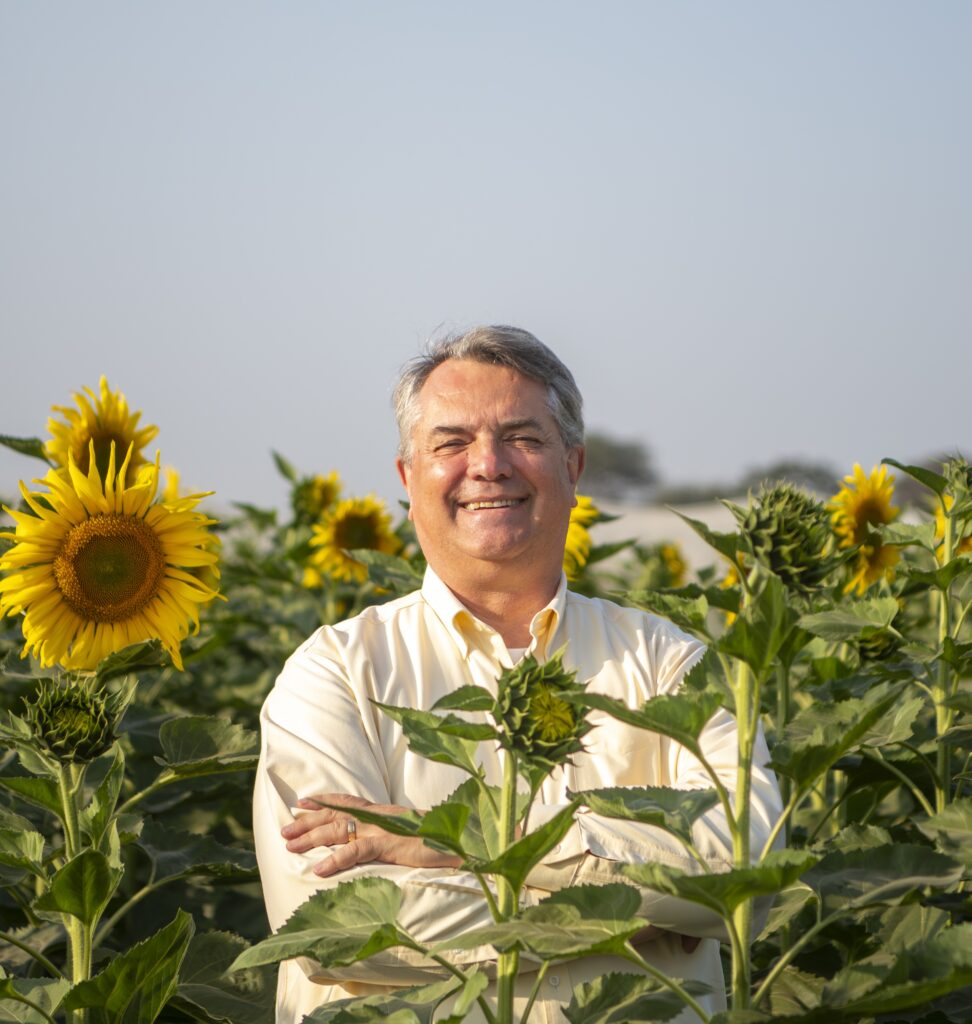
Stanford Blade
Dr. Stanford Blade is the Deputy Director General-Research & Innovation of the International Crops Research Institute for the Semi-Arid Tropics. ICRISAT is a global research and innovation organization working in Asia and Africa, focused on improving the lives of the 2+ billion people who live in dryland regions. ICRISAT uses research for development actions to enhance prosperity and resilience as well as reducing poverty, hunger, and environmental degradation.
Dr. Blade is Dean Emeritus of the top-ranked Faculty of Agricultural, Life and Environmental Sciences at the University of Alberta (Edmonton, Canada) where he successfully completed two five-year terms. In 2018 Dr. Blade was named an International Fellow of the Royal Swedish Academy of Agriculture and Forestry. In 2022 he was awarded the Queen Elizabeth II Platinum Jubilee Medal for his research and impact in international development.
Dr. Blade’s PhD was awarded by McGill University for plant breeding/cropping systems research (conducted at IITA) supported by a Government of Canada Doctoral Scholarship. He is a 2012 graduate of the Wharton Business School’s Executive Development (University of Pennsylvania). Dr. Blade served two terms as Vice-Chair for the Board of Trustees of the African Agricultural Technology Foundation, a Nairobi-based agency supported by the Bill and Melinda Gates Foundation. Dr. Blade has been an invited discussion leader at Harvard Agribusiness Seminars and participated in the Oxford Scenarios Programme. Dr. Blade was founding Chief Executive Officer (2008-2014) of Alberta Innovates Bio Solutions. Dr. Blade previously served as the Deputy Director General (Research) for the International Institute of Tropical Agriculture (IITA).
Dr. Blade’s expertise has been recognized through his many invitations to speak at international fora on the role of innovation in creating prosperity in the agriculture and food sectors and through his participation in research reviews conducted by the European Institute of Innovation & Technology, European Union, Consultative Group on International Agricultural Research, Food and Agriculture Organization, Qatar National Science Foundation, Natural Sciences and Engineering Research Council of Canada and the Canadian Foundation of Innovation.
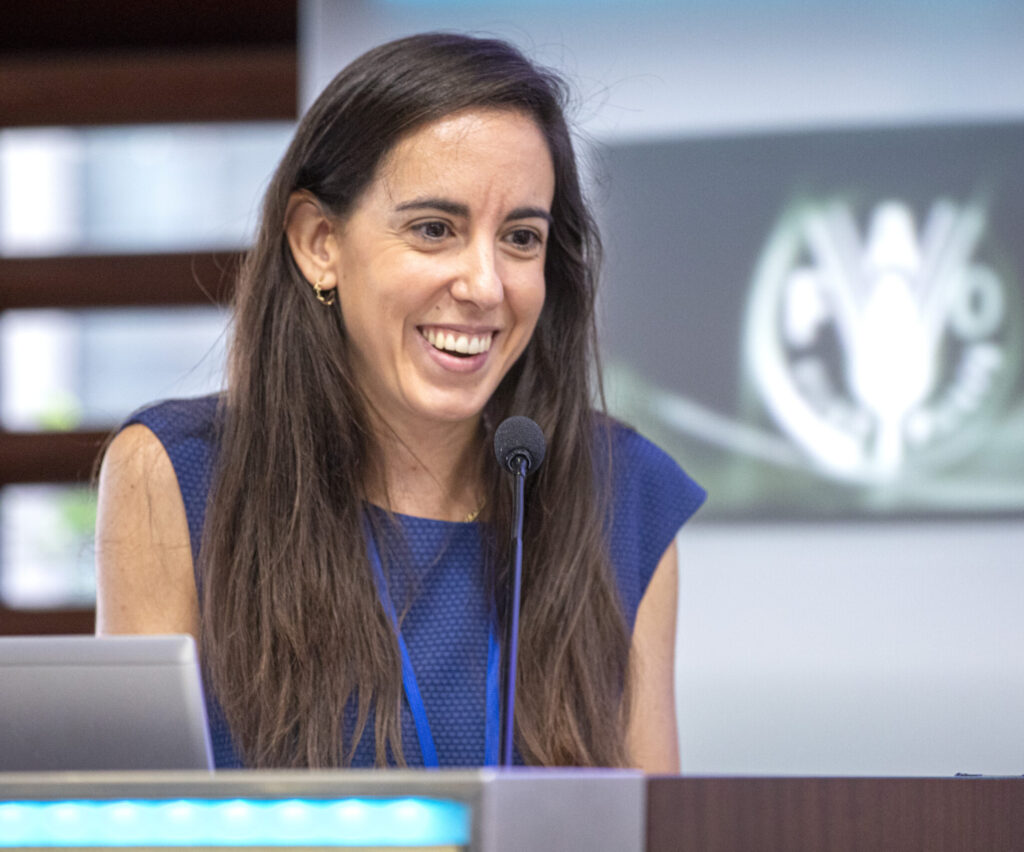
Marta Gomez
Ms Gomez San Juan is an Agricultural and Biosystems Engineer working in the United Nations Food and Agriculture Organization (FAO) as Senior Expert to the FAO’s programme on Bioeconomy for Sustainable Food and Agriculture (2022-2031) in the Office of Climate Change, Biodiversity and Environment.
She has been working for 11+ years at FAO’s Bioeconomy team, since it was formed. She supports the development of national and regional bioeconomy strategies and provides guidance on bioeconomy innovations that address sustainability trade-offs on the ground. She coordinates an international Working Group and partnerships for knowledge-exchange focused on sustainable bioeconomy, and has recently led FAO work on bioeconomy monitoring, indicators and metrics under the G20 Initiative on Bioeconomy and the COP30 Bioeconomy Challenge.
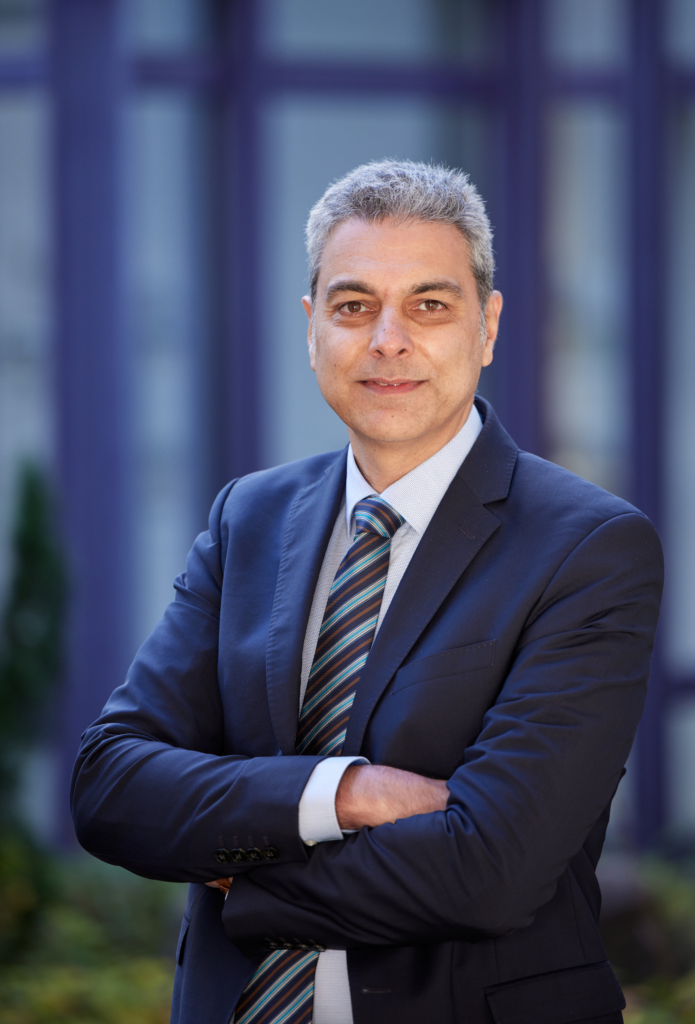
Matin Qaim
Matin Qaim is Professor of Agricultural Economics and Executive Director of the Center for Development Research (ZEF), University of Bonn, Germany. Before, he had professorships at the Universities of Goettingen and Hohenheim and was research fellow at UC Berkeley, California. Qaim’s main research areas relate to sustainable food systems, agricultural technology, and rural development. He has experience in numerous countries of Africa, Asia, Europe, and the Americas.
Qaim is a Highly-Cited Researcher, Member of the German National Academy of Sciences, Fellow of the American Agricultural & Applied Economics Association (AAEA), and President of the International Association of Agricultural Economists (IAAE).